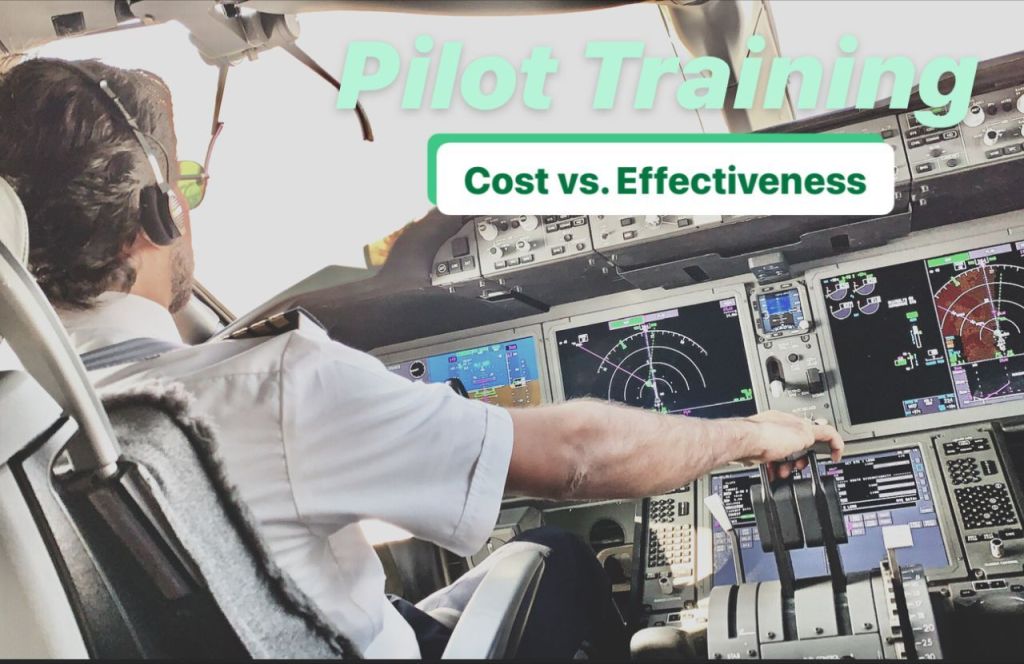
Pilot training is an essential aspect of aviation safety, and ensuring its effectiveness is vital to guaranteeing that pilots are equipped to carry out their duties safely and efficiently. However, with the rise in aviation costs, maintaining effective pilot training programs that are also cost-effective is essential. Let’s discuss some ways to maintain effective pilot training programs while keeping costs low.
It is important to ensure that the training programs provide quality training that prepares pilots for their roles. This can be done by utilizing latest updated software simulations. Utilization of virtual reality systems can also enhance practical training and reduce the need for expensive equipment, though hands-on training is equally important. These simulations have to be updated regularly to ensure that they align with the latest aviation developments and advancements. Such training tools shall be approved by the national aviation authorities prior use.
Training can be conducted in groups to cut down on costs. Small groups create an environment in which personalized attention can be given to each trainee, leading to producing well shaped pilots. Training such smaller groups can be facilitated by experienced trainers who shall ensure that there is no compromise on the quality of the training and the standard of the pilots.
On another dimension, the composition of the instructor team is also essential. Having a mixture of experienced pilots who are technology-savvy exposes trainees to the essential knowledge and skills needed to operate modern aircraft. Younger generation tend to be agile and innovative, whilst those with experience can offer more practical advices.
It is important to mention that pilot training should be based on flight operations data analysis so that each flight is perfectly executed. Training programs should simulate different scenarios and use the trainee’s response to adjust the training approach, enhancing effectiveness while minimizing the cost of repeat exercises.
Finally, comprehensive knowledge management systems should be put in place to enhance knowledge retention and support continuous learning even after the completion of training programs. This ensures that pilots are up to date with the latest advancements in aviation and that they can apply this knowledge in practical situations.
In conclusion, cost-effective pilot training is achievable without compromising the quality and effectiveness of the training programs. Investing in quality personnel, systems and tools, utilizing flight operations data, and implementing effective knowledge management systems should be the focus of maintaining effective pilot training. By ensuring the efficient execution of these elements, the aviation industry can produce a talent pool of well-trained, competent pilots who are both safe and cost-effective.
Posted on LinkedIn in April, 2023
Discover more from Don’t Sink
Subscribe to get the latest posts sent to your email.
 Don’t Sink
Reblogged this on Don't Sink.
LikeLiked by 1 person