‘Human Factors in Aviation’
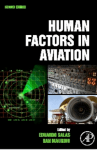
How can we understand the complexities of human behaviour and decision-making in aviation industry? How can be effective in our strategies to prevent incidents, accidents and improving flight safety. Here are 7 simplified lessons from the book “Human Factors in Aviation” by E. Salas & D. Maurino.
👉 1. 🧑✈️ Human error is a major contributor to aviation accidents. Simple mistakes can have catastrophic consequences. For example, misreading a gauge or checklist, failing to follow procedures, or lacking situational awareness.
👉 2. 🕰️ Fatigue, stress, and workload can affect performance and decision-making. Pilots and air traffic controllers must be aware of their own limits and take steps to manage their levels of stress and fatigue. For instance, airlines may have policies regarding the maximum number of hours that pilots can fly in a day or week.
👉 3. 📈 Automation has changed the way pilots and air traffic controllers work, but it has also introduced new types of errors. For example, pilots may become too reliant on automated systems and fail to maintain manual flying skills, or they may not fully understand how the automation works.
👉 4. 🌏 Cultural differences can affect communication and decision-making in aviation. People from different backgrounds may have different perspectives on safety and risk, which can lead to misunderstandings or conflicts. In some cultures, it may be considered impolite or disrespectful to challenge a superior’s decision! A balanced culture is required.
👉 5. 🤝 Teamwork and communication are essential in aviation. A clear, open, and transparent communication culture can help prevent misunderstandings, improve situational awareness, and ensure that everyone is working towards the same goals. Effective teamwork is also important for managing workload and sharing responsibilities.
👉 6. 📜 Design and procedures can also affect human performance in aviation. Equipment should be designed with human factors in mind, such as easy-to-read displays, intuitive controls, and clear labels. Procedures should also be designed to minimise the risk of error, such as checklists that are easy to follow and standardised.
👉 7. Training and simulations can help prepare all related crew or staff for real-world challenges. For example, simulation exercises help pilots and controllers to improve various competencies such as; decision-making, communication, and situational awareness skills. Ongoing training helps reinforcing good habits and identifying areas for improvement.
The “Human Factors in Aviation” provides valuable insights and strategies for addressing the human factors that can affect flight safety and performance in aviation. Aviation professionals can create more effective attitudes and strategies for preventing accidents and improving safety records by understanding the complexities of human behaviour.
For more lessons, click Here>>
attention Attitude Aviation Behaviour business challenges Change Communication competencies continuousimprovement CRM decision making economy effective_communication emotional engagement environment error management ethics excellance flexibility flightsafety flight safety General Humanfactors integrity knowledge Leadership Learning Management mistake motivation resilent resiliance risk assessment stress success teams teamwork threats training transparency work workload management
Discover more from Don’t Sink
Subscribe to get the latest posts sent to your email.
 Don’t Sink