‘The Fourth Industrial Revolution’
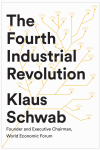
The 4th Industrial Revolution is reshaping industries and transforming the way we live. A lot of credit goes to this book. How does it work? How does it bring together the physical, digital and biological worlds? Here are 7 simplifies lessons from the book “The 4th Industrial Revolution” by Klaus Schwab.
👉 1. 🌍: The 4th Industrial Revolution is not just a book, it’s a global revolution, where new technologies and innovations are connecting people and industries around the world. Are you witnessing the rise of e-commerce enabling businesses to reach customers in different countries and regions, in almost no time?!
👉 2. 🤖: Technologies like AI, robotics, and the IOT are changing the way we work and live, and can help creating new job opportunities. Well, this is still controversial! We may lose drivers for self-driving cars, but new job roles for designers and engineers will be created.
👉 3. 🏭: Industries need to adapt to remain competitive and relevant in the 4th Industrial Revolution. Aren’t you witnessing that traditional manufacturing companies are incorporating 3D printing to increase efficiency and flexibility.
👉 4. 📈: The private sector, governments, and societies need to collaborate to ensure that the benefits of the 4th Industrial Revolution are shared widely and equitably. Let’s hope that we don’t get a head of ourselves though! Governments more than ever, need to promote digital literacy and provide training programmes to help us develop new skills for the new economy.
👉 5. 🧠 : There is a need for ethical considerations as the 4th Industrial Revolution progresses, as technologies can cause unintended consequences in society. Now that’s interesting! We have to be extra careful when it comes to ethics and we will need to develop guidelines, to name a few; autonomous weapons and ensuring responsible use of AI in healthcare.
👉 6. 💻: The challenge that needs to be addressed is that not everyone has access to the tools and resources needed to benefit from the 4th Industrial Revolution. So, internet access in remote and rural areas need to be promoted along with availability of access to training programmes.
👉 7. 🌱: The 4th Industrial Revolution has the potential to create a more sustainable world. However, we need to take the necessary steps to harness its power for good. Aren’t you witnessing the chase to develop more efficient and sustainable energy systems.
‘The 4th Industrial Revolution’ is reshaping industries and transforming the way people live and work by bringing together the physical, digital and biological worlds. What could be the downside of this revolution?
Greetings from Casablanca!
For more lessons, click here>>
Attitude Aviation Behaviour business challenges Change Communication competencies continuousimprovement CRM decision making effective_communication engagement environment ethics flexibility flightsafety General Humanfactors integrity knowledge Leadership Learning Management mistake motivation resilent resiliance success teams teamwork threats training transparency workload management
Discover more from Don’t Sink
Subscribe to get the latest posts sent to your email.
 Don’t Sink