It’s like the ‘unsung hero’ of Flight Safety, quietly working behind the scenes to keep us all safe in the air. Who actually needs hi-tech when you have effective-communication, workload-management and teamwork (joking of course!) Without the technology, we would have been overwhelmed even with mini tasks!

Let’s be serious for a moment, CRM is actually a crucial component of flight safety. It’s all about making sure that every member of the crew is working together effectively, from Captains to First Officers [Co-Pilots], CabinCrew , GroundStaff, Dispatchers as well as Air Traffic controllers (ATC). Indeed, everyone knows his roles and the role of others, and all has their own policies; procedures and SOPs. The lubricant in the domain is communication. In the flight deck, for example, if the captain and the first officer aren’t on the same page, things can go very wrong very quickly.
Unfortunately, CRM can be underrated by some training management and users. Some people think that it’s just common sense, and that there’s no need to waste resources and many man-hours on training! But the truth is, effective CRM requires a lot of practice and training.
Everyone Says; Safety is our No 1 Priority. How many actually mean it?!
If we all agreed that CRM is important for flight safety, then Flight Safety Departments are required to continuously encourage and support it. They should play a crucial role in ensuring that CRM is being implemented effectively and consistently across the airline.
So, how can CRM be enhanced in an airline?
Well, it is important to make sure that everyone is on board with the concept. That means providing effective training and refresher courses, and making sure that everyone understands the importance of all CRM modules and components including techniques and procedures to promote effective communication, recognise potential #risks and #hazards within the environment, and implement decision-making process .It also means providing ongoing support and resources to help crews implement CRM effectively.
CRM emphasises effective communication, workload management, and decision-making in critical situations. Pilots and other staff members learn to identify and respond proactively to potential risks and hazards. They are also trained to implement contingency plans, such as emergency procedures and other risk reduction techniques. CRM addresses different communication barriers, such as hierarchy, language and environment, medium of communication as well as cultural differences among the crew.
These barriers affecting CRM have to be routinely highlighted in recurrent training and operators have to attempt to melt these barriers in order to enhance the CRM environment.
Let’s take some examples.

One example of an incident where CRM played a crucial role in preventing a disaster was the “Miracle on the Hudson“. For sure you have seen the movie ‘Sully’ starred by Tom Hanks, but here is a small brief: In 2009, US Airways Flight 1549 encountered a critical situation when it was struck by a flock of birds just after takeoff that cause both engines to flameout. The pilots were forced to make an emergency landing and the commander has decided to land on the Hudson River. Thanks to the effective communication and teamwork of the crew, all passengers and crew members survived the incident.
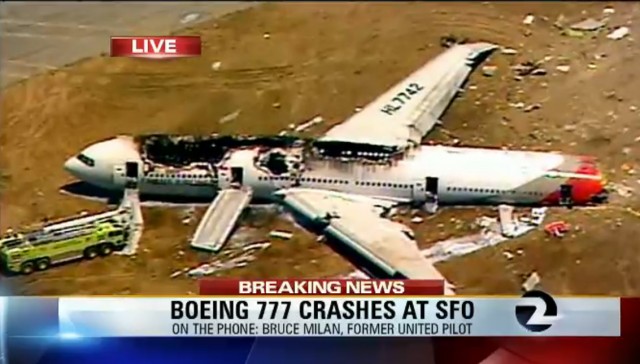
Another example is the Asiana Airlines Flight 214 accident in 2013, where a Boeing 777 crashed during landing in San Francisco. Investigation reports revealed that miscommunication and poor CRM were significant contributing factors to the accident.
CRM may not be the most glamorous aspect of flight safety, but it’s certainly one of the most important. So let’s give a big round of applause to all the flight and cabin crew who understand CRM, respect it and work hard to implement it the best they can to keep us safe in the air.
A word of advise for those who teach CRM. If you don’t really like teaching it, feel pressure teaching it or even feel tired teaching it, you better quit.
Check out : Communication Barriers in Aviation and Hierarchy. Aye, Aye Captain
Fly safe & greetings from #Muscat!
Discover more from Don’t Sink
Subscribe to get the latest posts sent to your email.
 Don’t Sink