A learning organisation is an organisation that utilises a learning culture to continuously enhance its systems, optimise its operations, and empower its employees. This type of organisations encourage staff members and teams to learn from their experiences and improve the entire organisation through open communication and transparency. So they are ready to “change“
One of the top examples of a learning organisation is Google which is well known for its culture of constant #innovation and experimentation. Apart from the regularly brainstorming sessions that Google holds to generate new ideas, it has the courage to embrace failure as a learning experience. Through various programs such as Google University, employees have access to a wide range of professional development resources, allowing talents to expand their skill sets and remain up-to-date with the latest trends and technologies.
Another example of a learning organisation is Toyota that is considered as leader of lean manufacturing “Lean_Manufacturing”, which emphasises reducing waste, improving efficiency, and increasing productivity. By utilising a problem-solving approach known as the “Toyota_Way,” the company fosters a continuous_improvement mindset through employees empowerment to identify areas for improvement, evaluate potential solutions, and implement changes.
Similarly, Microsoft has also embraced the principles of a learning organisation, implementing programs to train and develop its talents. By supporting their employees and communities, the communication and the sharing of knowledge within Microsoft, the culture of continuous learning, innovation and growth is highly promoted.
A learning Organisation is an organisation that welcomes and ready to change
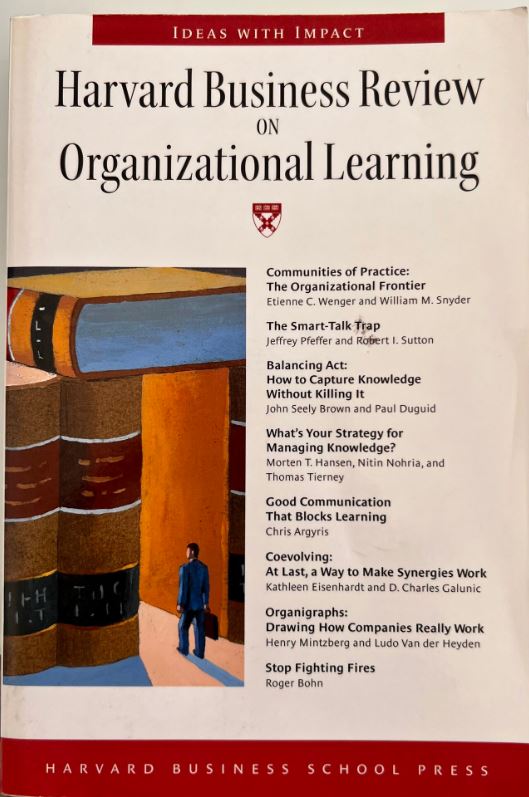
Harvard Business Review (HBR) has issues a compilation titled “Organisational_Learning“. It includes various articles and case studies that focus on the concept of organisational learning, including:
– the importance of creating a learning culture within an organisation,
– the role of leadership in promoting learning and knowledge sharing; and
– the impact of technology on learning and development.
It also includes case studies of successful companies who have implemented effective learning strategies to stay competitive in today’s fast-changing business environment.
In conclusion, by creating and encouraging a culture of continuous learning, empowering workforce and implementing a system of feedback, organisations will ensure availability of problem-solving, better productivity, more staff loyalty and future growth.
Posted on LinkedIn- May 2023
Discover more from Don’t Sink
Subscribe to get the latest posts sent to your email.
 Don’t Sink
2 thoughts on “Why Organizations Learn? How?”