The world is getting digital, the world is getting crazy !
The term digital leadership is getting more and more recognition. The cloud is getting bigger and bigger! But, let’s not be so fooled about the term.
So, what is Digital Leadership?
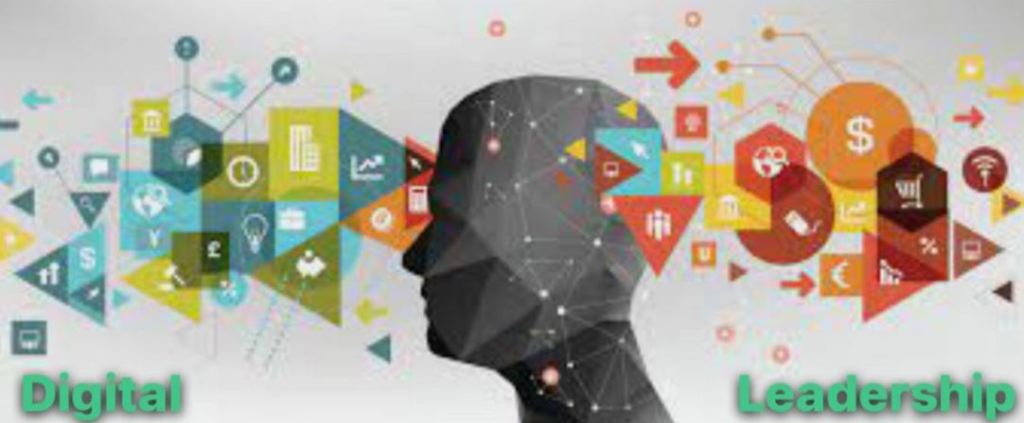
DIGITAL
LEADERSHIP
Here are some key points:
Digital Leadership is seen as the ability to guide, direct, and influence an organisation’s digital strategy, capabilities, and culture. It involves understanding the impact of digital technology on business operations and customer experience, and managing the transformation process to achieve digital maturity. How easy is this nowadays. Look back in your history when you first bought your mobile phone when it was not so smart!
Key Skills: leader who are responsible for the technology are now called ‘Digital Leaders’. They must possess a range of skills, including strategic thinking, data analysis, creativity, adaptability, and collaboration. They must also stay up-to-date with new technologies and trends related to their industry and the broader digital landscape. Some of those skills are not only required by digital leaders, but all leaders in an organisation.
Digital Strategy: Digital Leaders are responsible for developing and implementing a comprehensive digital strategy that aligns with the organisation’s overall business objectives. This includes identifying opportunities to leverage technologies to improve operational efficiency, enhance the customer experience, and drive growth and revenue.
Culture Change: This could an issue in some organisations. Digital transformation requires a cultural shift within an organisation. The fear of utilisation of ‘cloud’ should be minimised if not totally removed. Digital Leaders must be able to communicate the benefits of digital technology to employees and stakeholders and encourage adoption throughout the organisation. Ironically, in some cases, the fear of using the cloud is originating from those who work in IT!
Talent Management: Digital Leaders must ensure their organisation has the talent and skills necessary to support digital transformation. If not hiring new employees with digital expertise, they must ‘up-skilling’ existing employees, or partnering with external experts. I guess this strategy should be with the entire organisation.
Integrating Technology: Digital Leaders must be comfortable working with a range of digital technologies and platforms. They must be able to evaluate and integrate new technologies in a way that aligns with the organisation’s strategies and objectives in a fast-paced environment, while also maintaining privacy and security concerns.
By effectively investing and leading digital transformation, organisations can stay competitive and relevant in an increasingly digital world.
Greetings from #Muscat!
Posted on LinkedIn in May 2023
Discover more from Don’t Sink
Subscribe to get the latest posts sent to your email.
 Don’t Sink